February 2026
How Boutique Assisted Living Differs from Larger Communities
A clear comparison of boutique and large-scale assisted living — how the size and structure of a community shapes the daily experience of care.
When most people picture assisted living, they picture a large building — a long entrance drive, a lobby that looks a little like a hotel, hallways branching off into wings, and a calendar full of group activities. That model exists, and for some families it's the right fit. But it's not the only model. There's a quieter alternative that's been growing steadily in popularity: boutique, or residential, assisted living.
Boutique assisted living homes typically serve a small number of residents — often somewhere between six and sixteen — in an actual house, in an actual neighborhood. The difference isn't just architectural. It changes nearly everything about how care is delivered and how residents experience daily life. Here's how.
Scale changes the texture of daily life
In a community of 100 or 150 residents, daily life is necessarily organized at scale. Meals are served in shifts in a large dining room. Activities run on published schedules. Caregivers rotate across wings or floors. Even with the best intentions, the structure of the place leans toward efficiency.
In a boutique home with 10 residents, daily life looks more like a household. Breakfast is served when people are ready for it. Conversations at the table can stretch as long as everyone wants. A resident who wants to nap a little longer can nap a little longer. Care fits the person, not the schedule.
For some older adults — especially those who value quiet, routine, and being known — this difference is profound. It can be the difference between feeling like a resident and feeling like a member of a family.
Caregivers know each person well
In a larger community, even excellent caregivers may have many residents to attend to during any given shift. They do their best, but the math is the math: time per resident is limited, and continuity can be harder to maintain across shifts and rotations.
In a boutique setting, caregivers are responsible for a small, consistent group of residents. They learn how each person takes their coffee, which side of the bed they prefer, what makes them laugh, what worries them, when they want company and when they want quiet. That depth of knowledge isn't a luxury — it's the foundation of good care, especially for older adults who may have difficulty expressing complex needs.
The environment feels like a home, because it is one
Larger communities are often beautifully designed, but the design is institutional by nature. The corridors are long, the dining rooms are big, the layouts are necessarily complex. For residents who find large spaces disorienting or anxiety-inducing — particularly those with early cognitive changes — that scale can quietly add stress to every day.
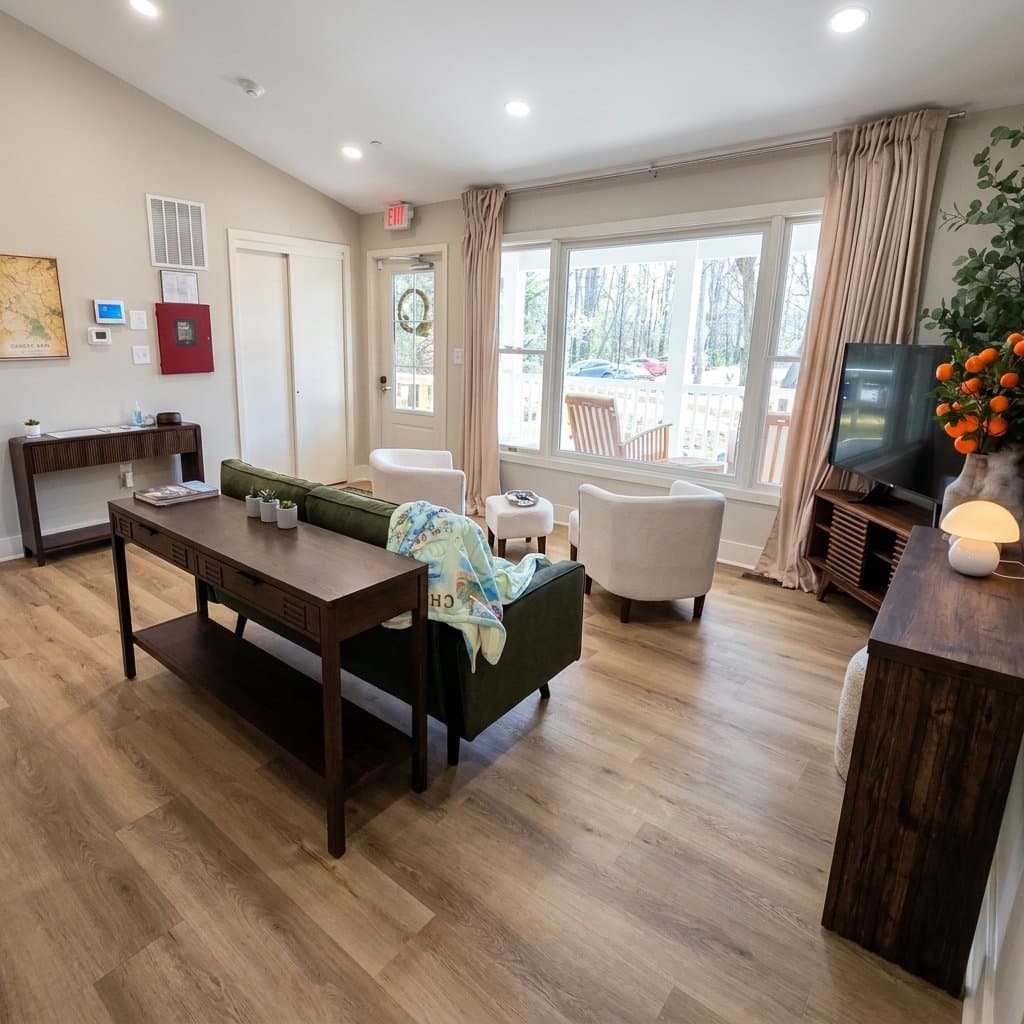
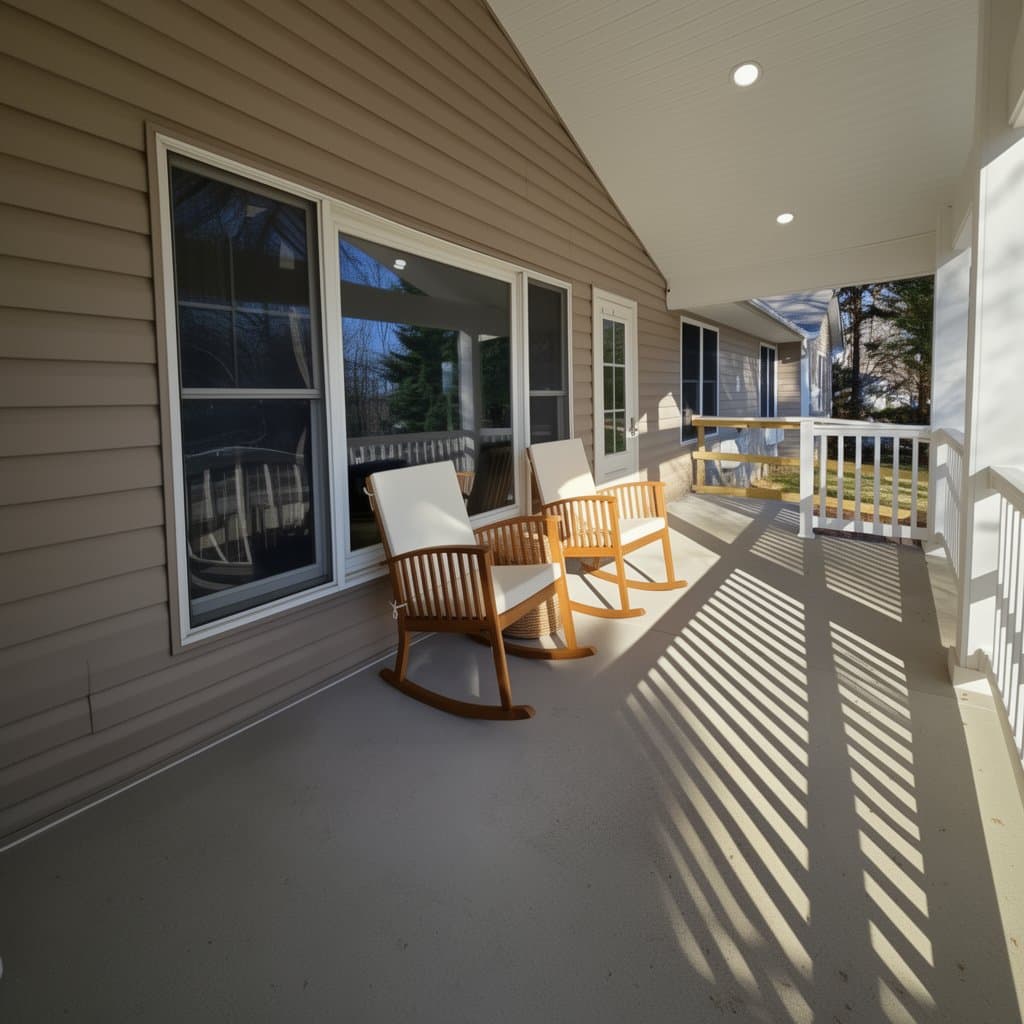
Boutique homes are residential properties. They look like houses because they are houses. Bedrooms feel like bedrooms. Living rooms feel like living rooms. Meals happen in a kitchen and a dining room you could find in any family home. For residents transitioning out of their own house, that continuity is meaningful. It softens what is often the hardest part of the move.
Care planning is more flexible
Smaller homes can often adapt to individual needs more easily than large communities. If a resident wants to eat dinner a little earlier, or take a shower in the evening instead of the morning, or sit in the garden with their morning coffee, that's usually possible. There's no rigid institutional rhythm to bend around.
This flexibility extends to medical and personal care as well. Medication schedules, mobility assistance, bathing, and dressing can all be tailored to how each resident actually lives, rather than to a community-wide template.
Social life looks different — not smaller, just different
A common assumption about boutique homes is that residents must miss out on socialization. In reality, social life in a small home is just shaped differently. Residents don't choose from a calendar of fifteen activities; they share daily life with the same small group of people, day in and day out. They sit at the same table for meals. They watch the same shows. They get to know each other deeply.
For extroverts who thrive on a wide social calendar, a larger community may genuinely be a better fit. For residents who prefer close relationships with a few people, or who find large group settings tiring, the boutique model often offers more meaningful connection, not less.
Costs are comparable — and sometimes simpler
Boutique assisted living is sometimes assumed to be more expensive than larger communities. The reality is that pricing in both models varies widely, and many boutique homes are competitive with — or in line with — comparable care in larger settings. What's often different is the structure of pricing. Boutique homes are sometimes simpler, with fewer tiers and add-on fees, because care is more individualized from the start.
When comparing options, always ask for an all-in monthly cost in writing, with a clear list of what's included and what isn't. That's the only way to make a real apples-to-apples comparison.
Which model is right for your loved one?
There isn't a universal answer. The right setting depends on personality, preferences, care needs, and what feels like home.
Boutique assisted living tends to be a strong fit for older adults who:
- Value quiet, calm environments and meaningful one-on-one relationships
- Find large institutional settings overwhelming or disorienting
- Want care that adapts to their routines rather than the other way around
- Are transitioning from their own home and want to maintain a household feel
- Have family members who want to know caregivers personally
Larger communities may be a better fit for older adults who thrive on a wide range of programming, who enjoy meeting new people regularly, and who want extensive on-site amenities.
Come see the difference for yourself
Reading about boutique assisted living only goes so far. The difference is something you feel within a few minutes of walking through the door.
Sweetbay Assisted Living is a boutique residential home in Severna Park, Maryland, with just 10 residents, private rooms with ensuite powder rooms, home-cooked meals, and a small, attentive team of caregivers. We'd love to show you what this kind of care looks like in person. Call (410) 701-9015 or visit our contact page to schedule a tour.
Read Next at Sweetbay